Buy It When It’s Cheap. Eat It When You Want It.
Seasonal Food Savings
By Ylice Golden | Practical Living Project
Knowing where to shop is useful. Knowing when to buy can save you money, too.
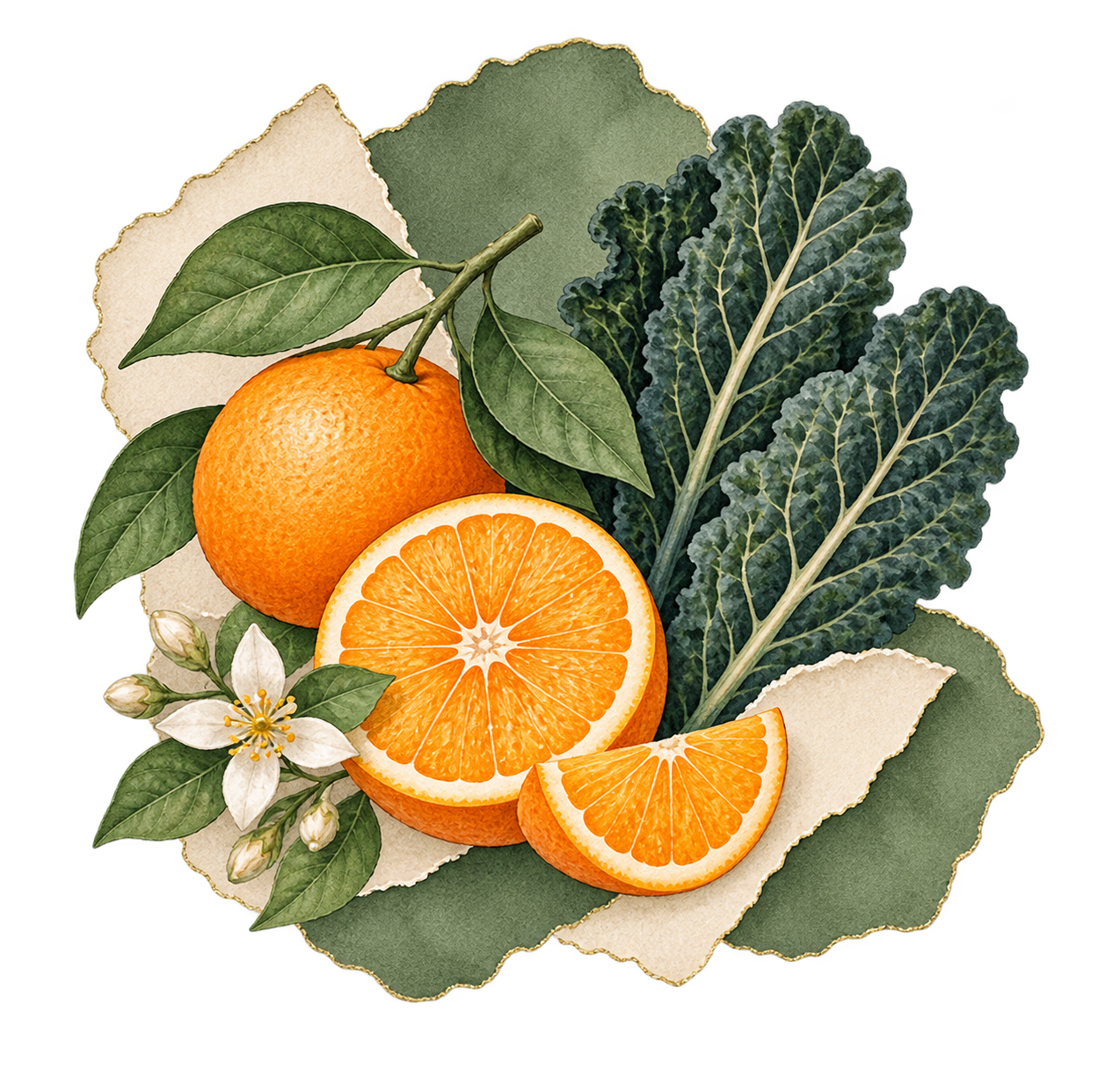
Some foods become better buys when the harvest is plentiful. Others get promoted because a holiday is coming. And sometimes a store needs the shelf space back after the holiday.
Those are different opportunities, but the question is the same: Is this a good price for something I will actually use?
A sale doesn’t have to dictate tonight’s dinner. A useful purchase might become several dinners over the next few weeks. But it needs somewhere to live until then.
Start With The Season
Fresh produce is often less expensive during its harvest season. These are broad shopping cues, not a promise that every food will be cheapest in the same month everywhere. [1]
- Spring: Asparagus, artichokes, peas, lettuce, radishes, green onions, rhubarb, and strawberries.
- Summer: Strawberries and other berries, peaches, melons, tomatoes, corn, cucumbers, peppers, eggplant, zucchini, and green beans.
- Fall: Apples, pears, pumpkins, winter squash, sweet potatoes, and Brussels sprouts.
- Winter: Citrus, broccoli, cauliflower, leafy greens, beets, and turnips.
Strawberries belong in both spring and summer. The seasons overlap, and stores draw from different growing regions. Let the calendar tell you what to look for, then let the price help determine what goes into the cart. [1, 2]
You don’t need to memorize the whole list. Start with foods you already like.
If zucchini is a good buy, it can go into spaghetti sauce along with carrots, mushrooms, peppers, onion, or celery. That makes more food and gets more vegetables into a familiar dinner. The vegetables don’t always need a separate dish or their own introduction at the table!
And don’t overlook the freezer shelf or the canned-food aisle. Compare the amount you’ll use, the preparation involved, and the price. Fresh isn’t automatically the best bargain. That’s the same question I ask in The Strawberry Method of Shopping: how much of what I buy will actually get eaten?
The Grocery Store Has More Than One Season
The growing season is only part of the story. Stores also have promotional seasons.
March is Frozen Food Month, June is Dairy Month, and June and July bring an industry promotion for ice cream and frozen treats. Those are useful times to check the foods you already buy, although a campaign doesn’t guarantee a bargain on every shelf. [3]
Back-to-school promotions can include peanut butter, sandwich ingredients, granola bars, applesauce, and fruit cups. You don’t need a child’s lunchbox to find those useful. Retailer promotions give a reason to compare prices; they don’t establish a universal cheapest month. [4]
Late fall brings baking-supply sales. Watch flour, sugar, butter, and ingredients you use beyond the holiday baking. Turkey is another purchase worth watching before Thanksgiving: USDA’s historical analysis found retail prices commonly near their annual lows around the holiday. That is a useful pattern, not a promise about this year’s price at your store. [5, 6]
Keep the ordinary groceries in mind, too. You don’t need to wait for a special month to buy coffee, rice, pasta, or something you’ve run out of. Learn the prices of a few foods you buy often. A seasonal display is more useful when you know whether the price is actually good.
After The Holiday, Look Again
There’s another shopping window after the celebration is over.
In November, look for Halloween candy clearance first, then the Thanksgiving offers. After Christmas, check what remains of the holiday food and baking displays. The order matters if you want to catch the opportunity.
As I mention in Spice Up Your Life!, baking spices, extracts, and specialty blends are worth checking on those clearance shelves. Those cloves don’t know Christmas is finished. 😂
Selection and markdowns vary. A holiday wrapper doesn’t make something a bargain, and neither does a clearance sticker. Buy what you’ll use, in a quantity that makes sense.
The Holiday Meal Can Feed Another Day
When I have a ham over the holidays, I save the bone and some meat for soup. In fall and winter, I also buy ham hocks to keep in the freezer for pea, lentil, and bean soups.
The peas, lentils, or beans make the meal substantial alongside the vegetables. The ham contributes flavor and some meat. One purchase can have more than one job.
That’s useful seasonal cooking: buying something you’ll enjoy now and recognizing what it can become later.
But when it’s 97 degrees outside, I’m probably thinking about potato salad rather than a pot of stew. The season when something is a good buy and the season when you want a particular dinner are related, but they aren’t the same decision.
Buying Ahead Needs A Plan — And A Place
Before buying extra, ask:
- Will I use it? A bargain on food nobody likes is an expensive way to fill a cupboard.
- Where will it go? Check the fridge, freezer, or pantry before bringing home more than it can hold.
- What work does it create? Dividing a package may be easy. Preparing a mountain of produce may be a project you don’t want.
- Can I afford the extra purchase now? Saving later still requires spending today.
I divide meat purchases and freeze portions, or cook meat and use some of it in another dish a day or two later. That makes a larger purchase useful.
Other times, the smaller amount is right. I buy regular rice, but a ready-rice packet serves the two of us when dinner needs to happen quickly. I don’t always want extra cooked rice taking up fridge space.
The same thinking applies to seasonal bargains. Buying ahead can mean one extra package. It doesn’t have to mean filling a second freezer.
Let The Calendar Help
The seasonal grocery guides put the year into monthly blocks: Seasonal Produce and Grocery Specials to Watch For. Keep a phone image handy while shopping, or use a printable copy where you plan meals. The monthly grocery reminders provide another way to remember what’s worth checking.
They’re reminders to look, not a shopping assignment. Compare the price, consider what’s already at home, and choose what fits your household.
You don’t need to chase every sale or preserve enough food for the entire neighborhood. Start with a few purchases you know will earn their place in your kitchen.
SOURCES
[1] American Heart Association — Seasons of Eating.
https://www.heart.org/en/healthy-living/healthy-eating/add-color/seasons-of-eating-infographic
[2] California Strawberry Commission — Farm to Table Journey.
https://www.californiastrawberries.com/farm-to-table-journey/
[3] National Frozen & Refrigerated Foods Association — Annual Promotions.
https://nfraweb.org/consumer-outreach/annual-promotions/
[4] Kroger — Get All the Tools for Back to School at Kroger (July 23, 2025; an example of seasonal promotion, not a current offer).
https://ir.kroger.com/news/news-details/2025/Get-All-the-Tools-for-Back-to-School-at-Kroger/default.aspx
[5] Utah State University Extension — 15 Ways to Save Money on Groceries.
https://extension.usu.edu/news_sections/home_family_and_food/15-ways-to-save-money
[6] USDA Economic Research Service — U.S. retail markup for whole turkeys is typically lowest around Thanksgiving (historical analysis, November 21, 2017).
https://www.ers.usda.gov/data-products/charts-of-note/85775